April 2026's Patch Tuesday was a massive one, with Microsoft fixing a staggering 167 vulnerabilities across its products, including a zero-day in SharePoint Server and a public exploit for a Windows Defender flaw. In addition, Google Chrome and Adobe Reader also received emergency patches for actively exploited bugs. This Q&A breaks down the most critical updates and what they mean for users and organizations.
How many vulnerabilities did Microsoft patch this month, and what made it a record?
Microsoft addressed a total of 167 security flaws in its April 2026 Patch Tuesday update. According to Adam Barnett, lead software engineer at Rapid7, this set a new record for the company, largely because nearly 60 of those vulnerabilities were in browsers. The update included fixes for Windows, Office, SharePoint, and other software. Barnett noted that while some might speculate this surge is related to Anthropic's Project Glasswing AI announcement, most of the browser bugs come from the Chromium engine, which Microsoft Edge shares with Google Chrome. He expects vulnerability reporting to keep rising as AI tools become more powerful and widespread.

What is the SharePoint Server zero-day (CVE-2026-32201) and how dangerous is it?
CVE-2026-32201 is a vulnerability in Microsoft SharePoint Server that allows attackers to spoof trusted content or interfaces over a network. Microsoft has confirmed it is being actively exploited. Mike Walters, president of Action1, warned that this flaw can be used to deceive employees, partners, or customers by presenting fake information inside trusted SharePoint environments. That makes it a powerful tool for phishing, social engineering, and unauthorized data manipulation. Because SharePoint is widely used in enterprises for collaboration, exploitation can lead to further compromise across an organization. Administrators should treat this as a high-priority patch.
What is BlueHammer (CVE-2026-33825) and why did exploit code become public?
BlueHammer (CVE-2026-33825) is a privilege escalation vulnerability in Windows Defender that Microsoft fixed with April's patches. According to reports, the researcher who discovered the flaw published exploit code after becoming frustrated with Microsoft's response time. Will Dormann of Tharros confirmed that the public exploit code no longer works once the patches are installed. The vulnerability could allow an attacker to gain elevated privileges on a system, making it a serious risk if left unpatched. Privilege escalation bugs like BlueHammer are frequently leveraged in multi-stage attacks, so applying the fix is crucial.
What other major updates came this month from Google and Adobe?
Google released another Chrome update, its fourth zero-day fix of 2026, though specific details about the flaw were not disclosed to give users time to update. Adobe also issued an emergency patch for CVE-2026-34621, a remote code execution vulnerability in Adobe Reader that has been actively exploited since at least November 2025. Satnam Narang of Tenable highlighted that active exploitation for months underscores the urgency. Users of Chrome and Adobe Reader should ensure their software is updated immediately to block these attacks.
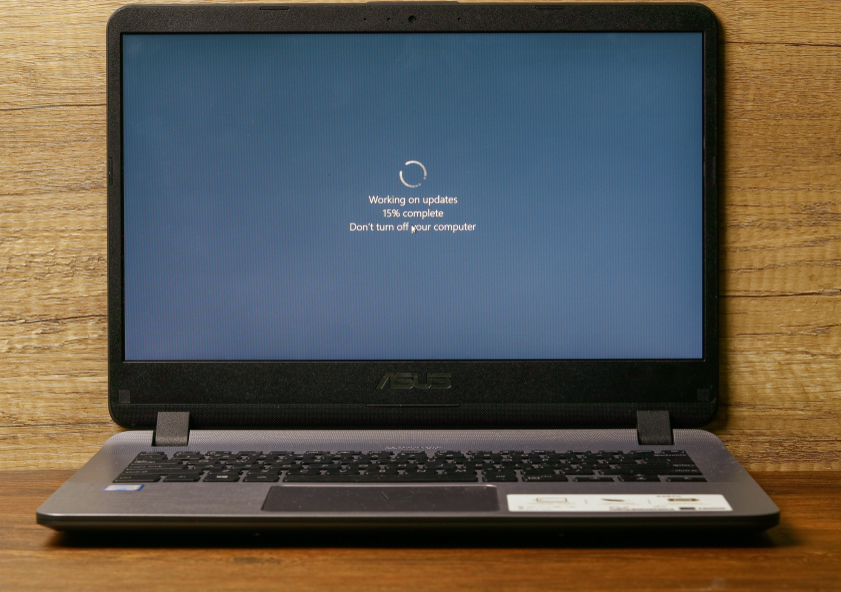
Why did the Microsoft patch count spike so dramatically this month?
Nearly 60 of Microsoft's 167 fixes were browser-related, and most of those came via the Chromium engine that powers Microsoft Edge. Adam Barnett of Rapid7 suggested it's tempting to link this to the buzz around Project Glasswing, a new AI bug-finding tool from Anthropic announced a week earlier. However, he noted that the Chromium project credits a diverse group of human researchers for the bugs Microsoft repackaged. Barnett's conclusion is that AI tools are already increasing the volume of vulnerability discoveries—and we should expect this trend to accelerate. So while AI likely contributed, the immediate cause is the growing scale and sophistication of automated security testing.
What actions should users and administrators take right now?
First, apply all available Microsoft patches immediately, prioritizing the SharePoint Server zero-day and BlueHammer. Restart your browser after updating Edge or Chrome. For Adobe Reader, install the emergency update if you haven't already. Organizations should also review their SharePoint configurations for signs of compromise and ensure Defender is updated. As always, keep all software current and train employees to recognize phishing attempts, especially those that exploit trusted platforms like SharePoint. Complete a browser restart to finalize updates, and consider using automated patch management tools to reduce delay.