A Dawn Catastrophe in Tracy Arm
At 5:26 a.m. local time on August 10, 2025, a colossal slab of rock—at least 63.5 million cubic meters in volume—broke free from a mountain overlooking Alaska’s Tracy Arm fjord, a popular destination for cruise ships and kayakers. The mass plunged into the deep water at the terminus of the South Sawyer Glacier, unleashing an initial breaking wave that towered 100 meters high. Racing across the fjord at speeds exceeding 70 meters per second, this wall of water slammed into the opposite shoreline, surging up the steep cliffside to an elevation of 481 meters above sea level.
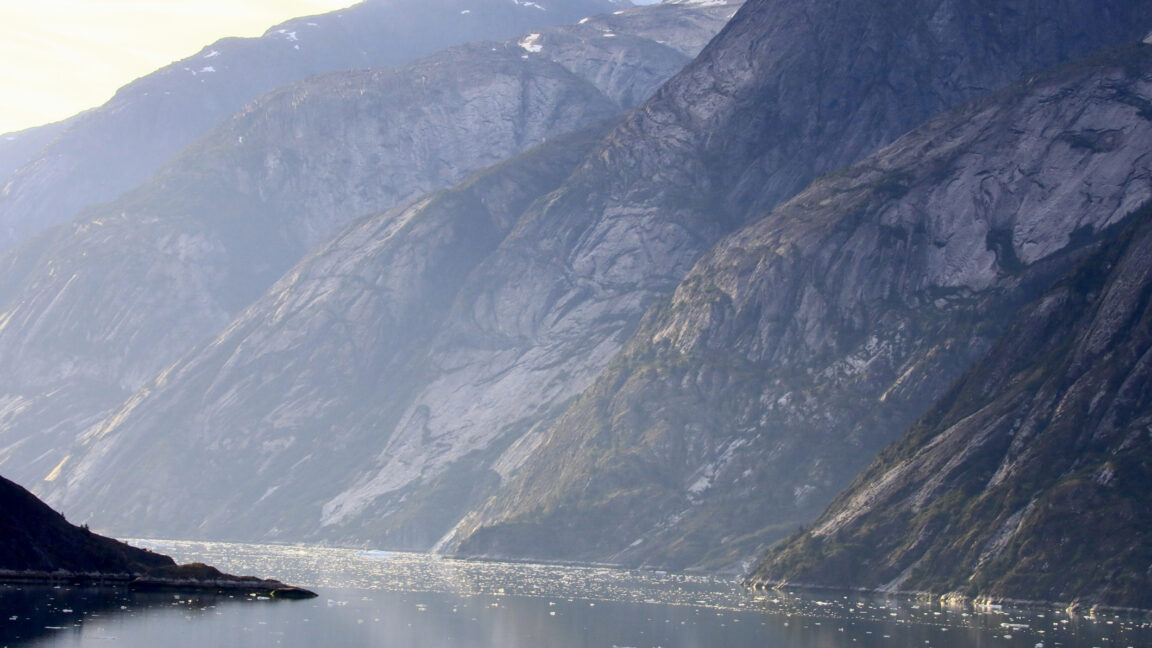
“It was the second highest tsunami ever recorded on Earth,” says Aram Fathian, a researcher at the University of Calgary and co-author of a Science study that meticulously reconstructed the event. “But until now, almost nobody heard about it because it was a near-miss event,” he adds. Remarkably, there were no injuries or fatalities, largely because the disaster struck early in the morning when few people were in the area. However, experts warn that future events might not be so forgiving.
Record-Breaking Wave Heights
Earthquake-generated tsunamis typically reach runup heights of just a few tens of meters when they hit land. In contrast, landslide tsunamis—like the one in Tracy Arm—are far more localized but also vastly more violent. When millions of tons of rock suddenly fall into a confined body of water, such as a narrow fjord, the abrupt displacement of water and variations in depth can produce extreme waves. Since 1925, scientists have documented 27 such events with runups exceeding 50 meters. The highest remains the 1958 Lituya Bay tsunami, which reached a staggering 530 meters.
The Scale of the Tracy Arm Event
The Tracy Arm tsunami’s 481-meter runup places it just behind Lituya Bay in the global record books. The event’s remote location and early timing prevented a tragedy, but the wave itself was powerful enough to strip vegetation and reshape the shoreline for kilometers. Researchers used satellite imagery, seismic data, and field surveys to confirm the slide volume and wave dynamics. The findings, published in Science, highlight how even well-monitored regions can harbor surprising geological hazards.
The Science of Landslide Megatsunamis
Landslide megatsunamis occur when large masses of rock or ice collapse into water with enough force to generate waves hundreds of meters high. Unlike earthquake tsunamis, which are broad and relatively shallow, these waves are steep, fast, and concentrated. The key ingredients are steep terrain, unstable slopes, and deep, confined water bodies—conditions common in Alaska’s fjords. Climate change may be increasing risks by thawing permafrost and destabilizing mountain slopes, a trend scientists are closely monitoring.
Frequency and Distribution
Since 1925, all 27 recorded landslide tsunamis with runups above 50 meters have occurred in mountainous coastal regions, particularly in Alaska, Norway, and Chile. The Tracy Arm event underscores that these disasters are not just historical anomalies; they can happen in heavily visited tourist areas with little warning. The wave’s energy dissipated quickly after hitting the opposite shore, preventing damage to distant communities, but the near-miss has spurred calls for better monitoring and early-warning systems.
A Near-Miss for Tourists
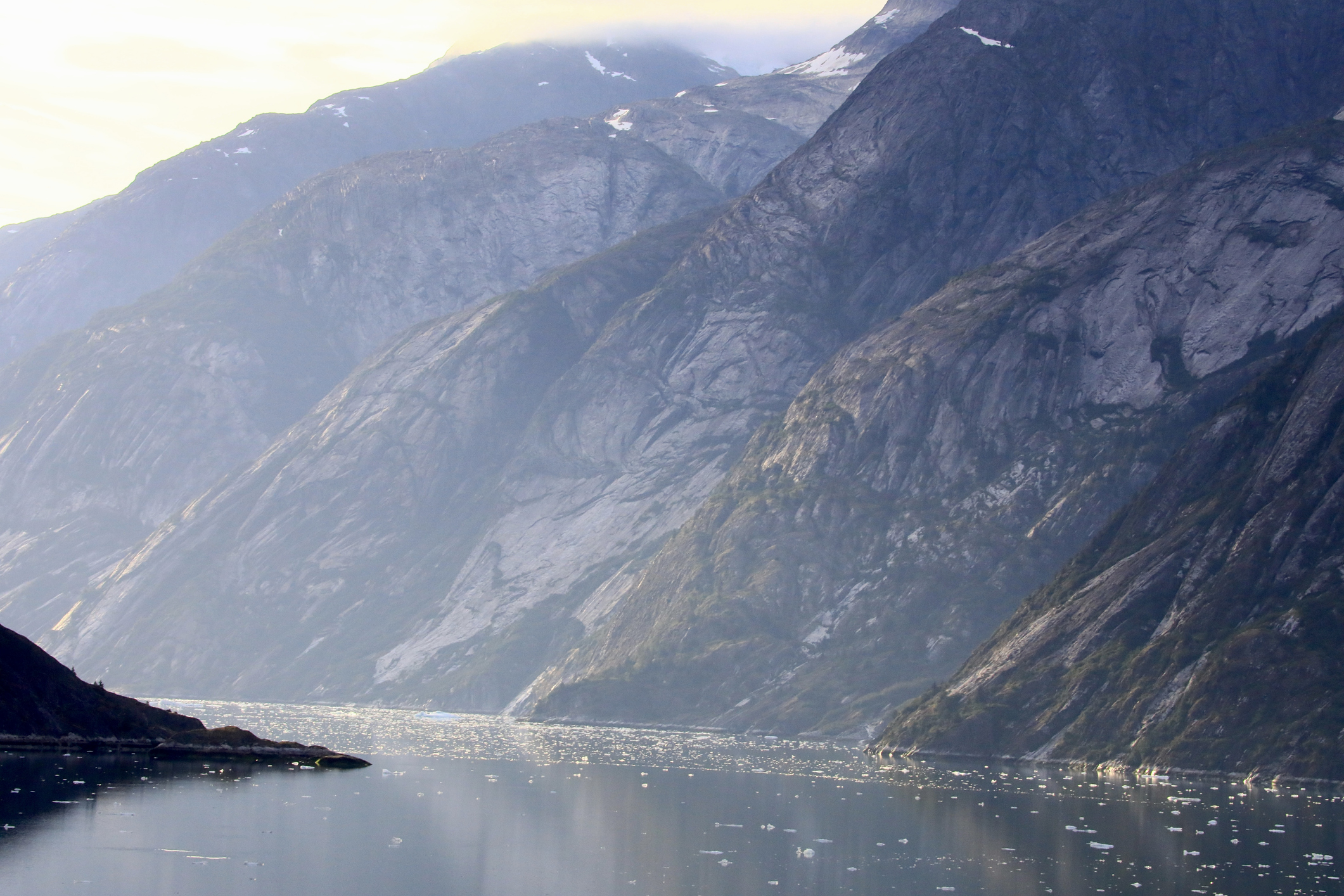
Tracy Arm is a jewel of Alaska’s Inside Passage, attracting tens of thousands of visitors each year on cruise ships and tour boats. The fjord’s steep granite walls, tidewater glaciers, and abundant wildlife make it a must-see destination. On the morning of August 10, 2025, the area was largely empty—a fact that likely saved lives. If the landslide had occurred a few hours later, when tour boats typically arrive, the consequences could have been catastrophic.
“We were incredibly lucky,” says Fathian. The wave’s 481-meter runup would have easily overwhelmed any vessel in the fjord, and the resulting chaos would have been difficult to manage given the remote location. The event serves as a stark reminder that even in well-traveled regions, nature can unleash forces beyond human scale.
Looking Ahead: Monitoring and Preparedness
In the wake of the Tracy Arm tsunami, researchers are advocating for expanded monitoring of unstable slopes in glacial fjords. Satellite radar, seismometers, and time-lapse cameras could provide early warnings for rapid slope failures. Additionally, community education and evacuation drills in tourist areas might mitigate risks. While such events remain rare, their potential for devastation is enormous. The fact that the second-highest tsunami in history occurred in a major tourist area without causing harm should not lull us into complacency—it should prompt action.
As climate change continues to alter mountain landscapes, the frequency of landslide tsunamis may increase. The Tracy Arm event is a clear signal that we must invest in science and preparedness to protect lives and livelihoods in vulnerable regions. The wave may have been a near-miss, but it is also a wake-up call.