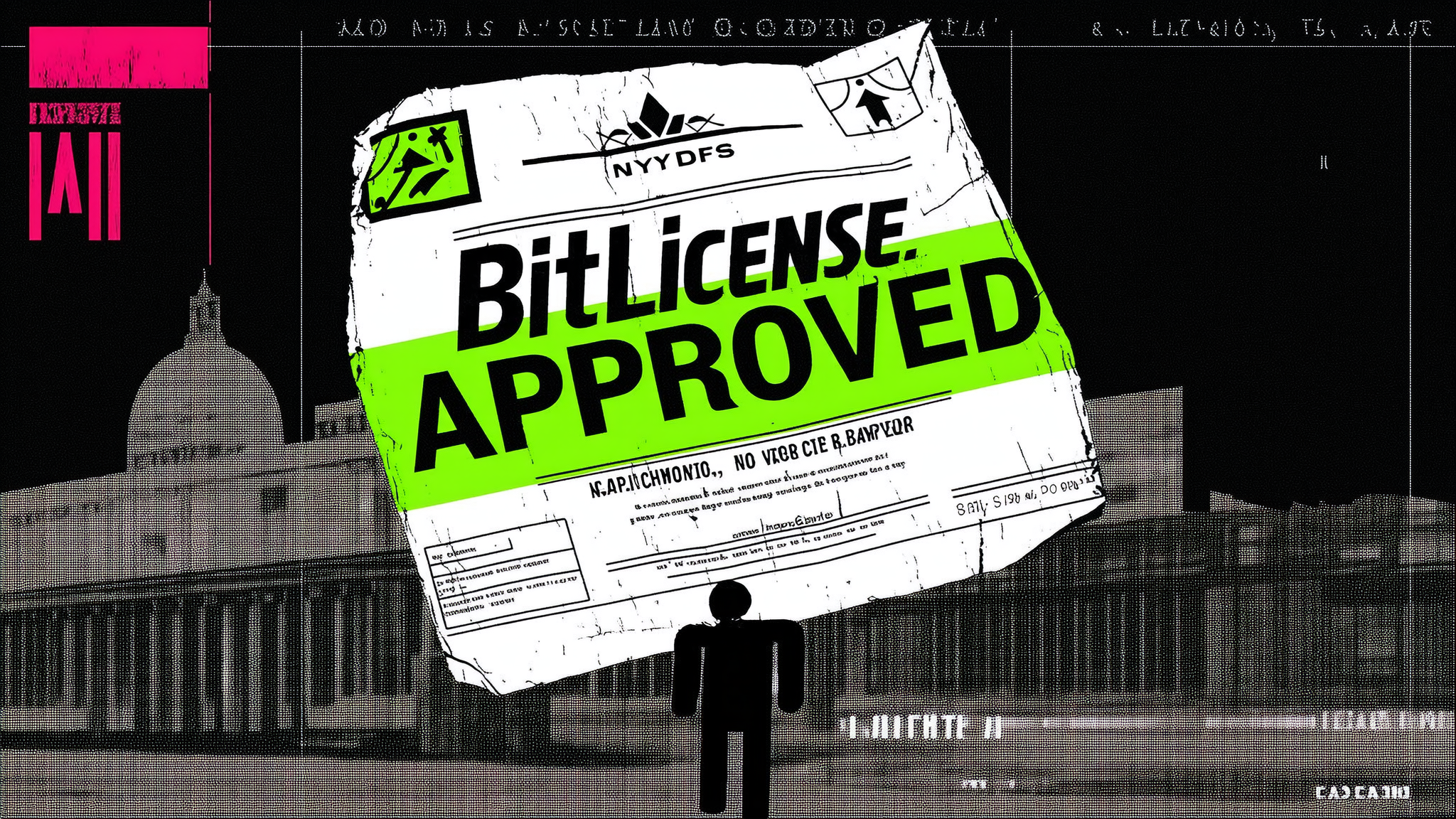
When a major crypto firm like Galaxy secures a BitLicense from the New York State Department of Financial Services (NYDFS), it's more than just a regulatory checkbox—it's a signal to the entire industry. This approval clears Galaxy to offer cryptocurrency services to New York residents, one of the most stringent markets in the U.S. Below, we unpack ten essential facts about this milestone, from what the license entails to its broader implications for crypto regulation.
- 1. What Is a BitLicense?
- 2. Why New York Matters
- 3. The NYDFS Role
- 4. Galaxy's Compliance Journey
- 5. Services Now Allowed
- 6. Stringency of the License
- 7. Impact on Galaxy's Business
- 8. Comparison With Other Licenses
- 9. Industry Reactions
- 10. Future Regulatory Trends
1. What Is a BitLicense?
The BitLicense is a business license for virtual currency activities, introduced by the NYDFS in 2015. It requires any company handling cryptocurrencies on behalf of New York residents to comply with extensive anti-money laundering (AML), cybersecurity, and consumer protection rules. Galaxy's receipt of this license means it has passed a rigorous vetting process that includes background checks, capital requirements, and ongoing reporting. This isn't an easy feat—only about 30 firms have obtained one since its inception, making it a badge of trustworthiness in the crypto ecosystem.
2. Why New York Matters
New York is one of the world's financial capitals, and its regulatory framework often sets a precedent for other states and countries. Gaining a BitLicense allows Galaxy to legally serve New York customers, a lucrative but highly regulated market. For many crypto firms, operating in New York without this license is illegal, leading to what some call the "New York crypto diaspora." By securing approval, Galaxy not only gains access to millions of potential users but also demonstrates its commitment to working within established financial rules, which can attract institutional investors who value compliance.
3. The NYDFS Role
The New York State Department of Financial Services is the regulator responsible for overseeing financial products and services in the state. It has taken a proactive stance on cryptocurrency, issuing the BitLicense as a way to protect consumers while fostering innovation. The NYDFS is known for its thorough examinations—companies must submit detailed business plans, disclose ownership structures, and implement robust internal controls. Galaxy's approval indicates that the NYDFS found its operations sound and its leadership fit to handle customer funds responsibly.
4. Galaxy's Compliance Journey
Galaxy likely spent months or even years preparing for this approval. The application process involves a deep dive into the company's history, financial health, and compliance infrastructure. Firms must show they have procedures for detecting suspicious activity, safeguarding digital assets, and reporting to authorities. Galaxy, as a publicly traded company with existing regulatory oversight, had a head start, but the BitLicense still required tailored adjustments—such as appointing a New York-based compliance officer and maintaining a specific capitalization level. This journey underscores the seriousness with which Galaxy approaches regulatory hurdles.
5. Services Now Allowed
With the BitLicense in hand, Galaxy can now offer a range of cryptocurrency services to New Yorkers. These include buying and selling digital assets, operating a crypto exchange or wallet service, and transferring funds. However, the license is not a blanket approval for all activities—it covers only those specified in the application. Galaxy's particular license likely covers its trading desk and possibly its custody services. This allows the firm to fully onboard New York-based clients who previously were turned away or had to use third-party workarounds.
6. Stringency of the License
The BitLicense is widely considered the toughest state-level crypto regulation in the United States. Critics argue it stifles innovation because compliance costs can run into millions of dollars annually. Supporters say it ensures consumer safety in a volatile market. For Galaxy, earning this license means it has met rigorous standards on cybersecurity, data privacy, and anti-fraud measures. The NYDFS also conducts periodic reviews to ensure ongoing compliance. This level of scrutiny often pushes smaller companies out of New York, but for a firm like Galaxy, it's a competitive advantage that signals reliability to partners.

7. Impact on Galaxy's Business
For Galaxy, this BitLicense is a strategic asset. It opens the door to a large customer base in a key financial hub, potentially boosting trading volumes and fee income. It also enhances Galaxy's reputation among institutional investors who require their service providers to be fully licensed in all jurisdictions. Additionally, the approval may help Galaxy in negotiations with other regulators—demonstrating that it can handle the most demanding oversight. However, the cost of compliance will increase, and Galaxy will need to maintain dedicated resources for New York-specific reporting and audits.
8. Comparison With Other Licenses
While the BitLicense is state-specific, other licenses like those from the Financial Crimes Enforcement Network (FinCEN) are federal. Galaxy already held such national licenses, but the BitLicense adds a layer of local approval. Compared to state licenses like Wyoming's SPDI bank charter or Delaware's money transmitter license, the BitLicense is more prescriptive. For example, BitLicense holders must provide transaction monitoring reports on a regular basis, whereas other states may require less frequent reporting. This makes New York a litmus test for regulatory rigor in the crypto space.
9. Industry Reactions
News of Galaxy's approval has been met with a mix of approval and concern. Proponents of strict regulation laud Galaxy for demonstrating that even complex crypto firms can comply. Some see it as a sign that the NYDFS is willing to work with established players. On the other hand, critics argue that the BitLicense process remains too burdensome and discourages innovation. Competitors may now feel pressure to also seek approval to not lose market share in New York. Overall, the event reinforces the trend of crypto firms increasingly seeking formal recognition from state regulators.
10. Future Regulatory Trends
Galaxy's BitLicense may be a bellwether for future regulation. As more states consider their own frameworks, the NYDFS model could be adopted or adapted elsewhere. Some advocates push for a national licensing standard to avoid the patchwork of state rules. Galaxy's successful navigation of the BitLicense process provides a roadmap for other firms. It also shows that regulators are open to engaging with established crypto companies. Moving forward, we can expect more applications and possibly a streamlining of the process as the industry matures and develops best practices.
Galaxy's acquisition of the BitLicense is a milestone that goes beyond a single company—it represents a maturing relationship between the crypto industry and state regulators. Each of the ten points above illustrates how this approval affects everything from market access to regulatory policy. As the landscape evolves, Galaxy's step may encourage more firms to seek formal licensing, fostering a safer and more transparent ecosystem for all participants.