Breaking: Psyche Spacecraft Completes Critical Mars Flyby
NASA’s Psyche spacecraft successfully executed a close flyby of Mars on May 15, passing just 2,864 miles (4,609 kilometers) above the planet’s surface. The maneuver, a gravity assist, provided a crucial speed boost and trajectory adjustment without expending any propellant.
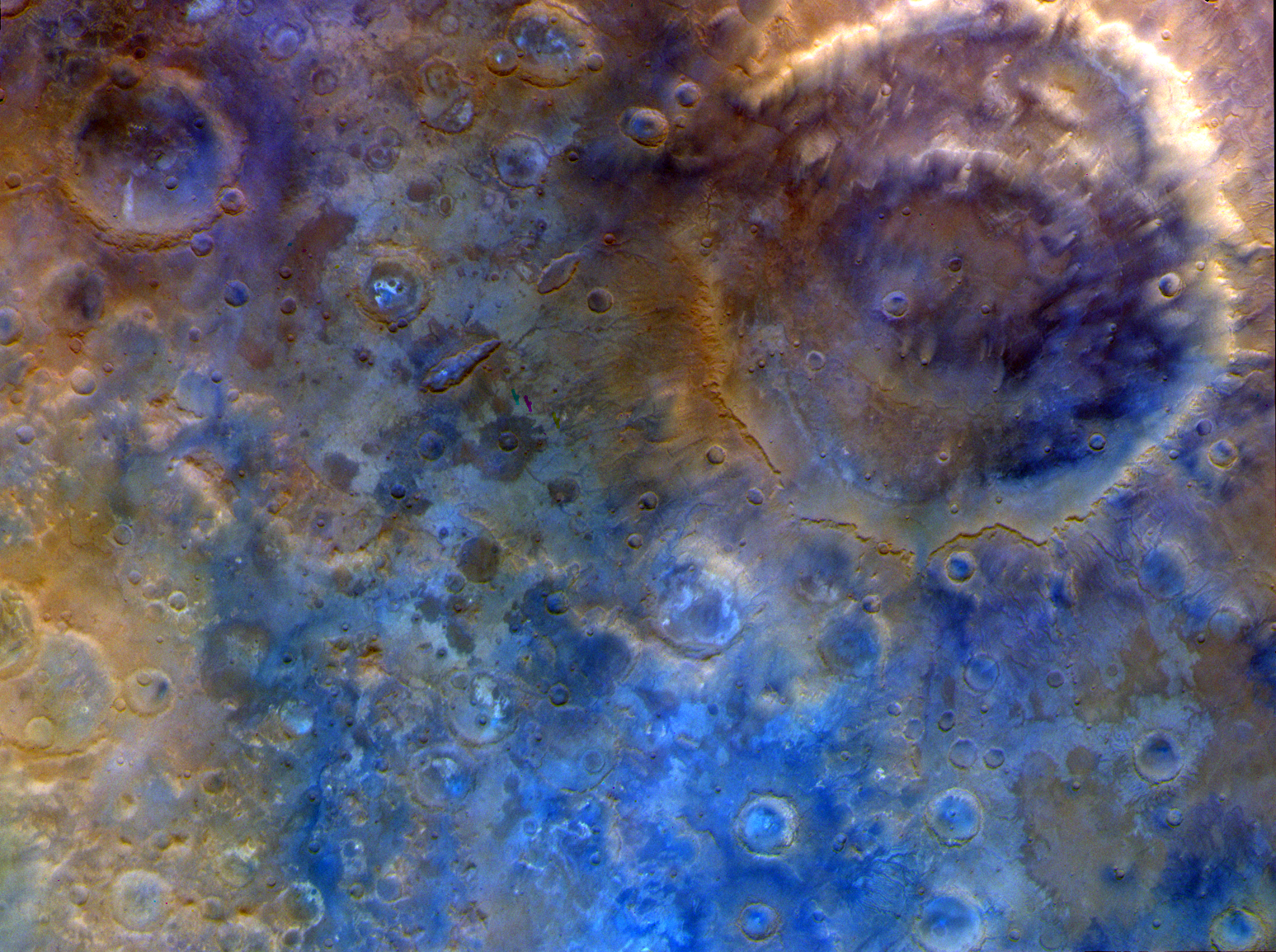
During the flyby, the spacecraft’s multispectral imager captured a striking representative-color image of the double-ring crater Huygens and the heavily cratered southern highlands. The image offers a new perspective of the Martian surface as Psyche races toward its final destination.
“This flyby was a perfect demonstration of precision navigation and autonomous operations,” said Dr. Lindy Elkins-Tanton, Psyche’s principal investigator at Arizona State University. “Every second of the encounter went exactly as planned.”
Background: What Is the Psyche Mission?
Psyche is NASA’s first mission to a metal-rich asteroid, also named Psyche, located in the main asteroid belt between Mars and Jupiter. Scientists believe the asteroid could be the exposed metallic core of an ancient planetesimal—a building block of rocky planets like Earth.
Launching in October 2023, the spacecraft has been using solar-electric propulsion and gravity assists to reach its target. Without the Mars flyby, the spacecraft would not have enough energy to insert into orbit around the asteroid.
“The gravity assist from Mars was essential—we used the planet’s gravity like a slingshot to change our speed and direction,” explained Dr. Ben Weiss, deputy principal investigator at MIT. “It saved us months of travel time and valuable fuel.”
Flyby Details and Image
The close approach occurred at 2:24 p.m. EDT, with the spacecraft flying over the Martian equator. The image, taken from a distance of about 3,000 miles, shows eroded crater rims and ancient terrain. It is one of several images Psyche will transmit to Earth over the coming days.

Engineers confirmed the spacecraft is healthy and on course. Telemetry received after the flyby showed no anomalies, and the science team is now analyzing the image data for any unexpected finds.
“Seeing Huygens and the southern highlands from this angle is breathtaking,” said Dr. Cathy Olkin, Psyche’s deputy principal investigator. “It also proves our imager is working perfectly for when we reach the asteroid.”
What This Means for Planetary Science
The successful flyby sets the stage for Psyche’s arrival at its target asteroid in August 2029. Once in orbit, the spacecraft will map the asteroid’s surface, measure its composition, and study its magnetic properties.
If Psyche is indeed a remnant planetary core, studying it could reveal how Earth’s own core formed and how rocky planets differentiate. This would be a one-of-a-kind glimpse into planetary interiors that is impossible to achieve through Earth-based observations alone.
“We’ve never visited a world made mostly of metal,” said Elkins-Tanton. “Psyche could rewrite textbooks on planet formation. Every step we take, like this flyby, gets us closer to that discovery.”
The mission is managed by NASA’s Jet Propulsion Laboratory and Arizona State University, with contributions from the Max Planck Institute and other international partners. For more images and updates, visit the Psyche mission page.