The Accelerating Melt of Greenland’s Ice Sheet
Greenland’s vast ice sheet, the second largest in the world, is experiencing an alarming transformation. New research reveals that meltwater production has surged sixfold since 1990, with extreme melting events becoming more frequent, widespread, and intense. Scientists note that these changes are pushing the ice sheet beyond natural climate variability, driven primarily by rising global temperatures.
Historical Context and the Recent Surge
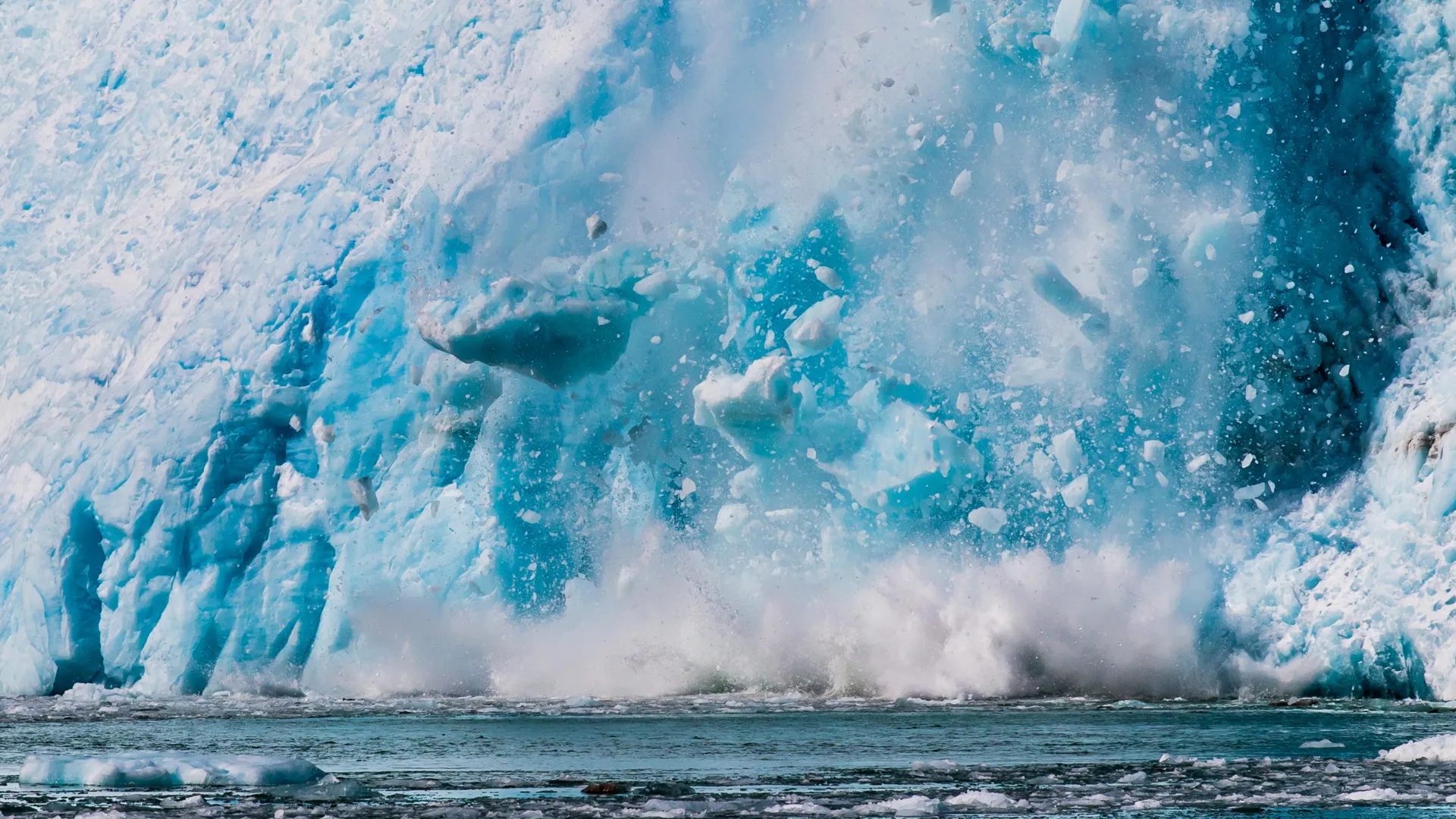
Since the early 1990s, the rate of melting on Greenland has skyrocketed. While some degree of seasonal melt is normal, the magnitude of recent increases is unprecedented. Most record-breaking melt years have occurred in the last decade, with 2012, 2019, and 2023 standing out as extreme examples. In these years, surface melt spread across more than 90% of the ice sheet at certain times, a phenomenon that was rare before the 21st century. The sixfold increase in meltwater production represents a stark departure from historical patterns, as documented by satellite records and ice core data.
This surge is not just a matter of volume; it is also a change in the nature of melting events. Previously, melt occurred gradually over summer months, but now it often happens in rapid, intense pulses. These pulses can trigger feedback loops, such as darkening the ice surface, which further accelerates melting.
Extreme Events Becoming the New Normal
Extreme melting events are now occurring with alarming regularity. For instance, in July 2023, a massive melt event covered an area larger than the state of Florida. Such events were once considered once-in-a-century occurrences but are now projected to happen every few years under continued warming. The widespread nature of these melts means that not only coastal regions but also the high-altitude interior of Greenland is being affected. This is particularly concerning because the interior ice has traditionally been more stable.
These extreme events are linked to atmospheric conditions often called heat domes—persistent high-pressure systems that trap warm air over the ice sheet. As the climate warms, these conditions become more common and more intense. The result is a self-reinforcing cycle: more melt leads to darker ice, which absorbs more sunlight, causing even more melt.
The Role of Warming Temperatures
Scientists emphasize that rising global temperatures are supercharging the melting process beyond what natural climate patterns would produce. While factors like cloud cover and atmospheric circulation play roles, the primary driver is the increase in average summer temperatures over Greenland, which have risen by about 1.8°C (3.2°F) since the early 20th century. This warming shifts the balance between snowfall and melt, pushing the ice sheet into a state of net mass loss.
The implications extend far beyond Greenland. The ice sheet holds enough frozen water to raise global sea levels by over 7 meters (23 feet) if it were to melt completely. While a full melt would take centuries, the current rate of ice discharge already contributes significantly to sea level rise. Each year, Greenland loses about 280 billion tons of ice, adding nearly 0.8 millimeters to global sea levels. That may sound small, but combined with other sources, it accelerates coastal erosion, flooding, and ecosystem disruptions worldwide.
Feedback Loops Amplify the Crisis
The melting triggers several feedback loops that worsen the situation. For example, as the ice surface darkens from soot, algae growth, or pooled water, its albedo (reflectivity) decreases. Darker surfaces absorb more solar radiation, leading to increased melt. Similarly, meltwater that percolates through the ice can lubricate the base, speeding up glacier flow toward the ocean. These processes create a cascade effect that scientists are still working to fully model.
The Urgency for Climate Action
The evidence is clear: Greenland’s ice melt is accelerating at a rate that alarms researchers worldwide. The sixfold surge since 1990 highlights how rapidly climate change is reshaping the planet’s cryosphere. Without significant reductions in greenhouse gas emissions, such extreme melting events will become even more common, as noted earlier. The data underscores the need for global cooperation to limit warming and adapt to the changes already underway.
In summary, the Greenland ice sheet is now melting in ways never before observed, with record-breaking events dominating recent years. The combination of rising temperatures and complex feedback mechanisms is pushing the system beyond natural limits. This is not just a regional concern but a global one, with implications for sea levels, weather patterns, and ecosystems far from the Arctic.